



In summary
- Michael Burry is betting $1.1 billion against Nvidia and Palantir, warning that AI stocks are in bubble territory.
- His fund has huge puts, representing 80% of Scion’s portfolio as of September 30.
- Palantir’s CEO responded, calling the short “crazy” and dismissing Burry’s logic.
Michael Burry, the investor (of “The Big Short” fame) who correctly predicted the 2008 housing crisis, on Monday revealed a $1.1 billion short position against Nvidia and Palantir Technologies via put options, sparking an immediate sell-off in technology markets this week.
Palantir fell as much as 16% on Tuesday before closing down about 8%. The drop came even though the company beat third-quarter earnings estimates and raised its full-year guidance. Nvidia fell between 2% and 4% during the same trading session, while the Nasdaq Composite posted its biggest one-day percentage drop in almost a month, about 2%. All AI-related stocks in the “Magnificent Seven” closed lower on the day.
The reaction spread beyond American borders. Asian and European markets posted sharp declines in the following days, with indices in Japan and South Korea falling significantly as concerns over technology valuations became a driver of global sentiment.
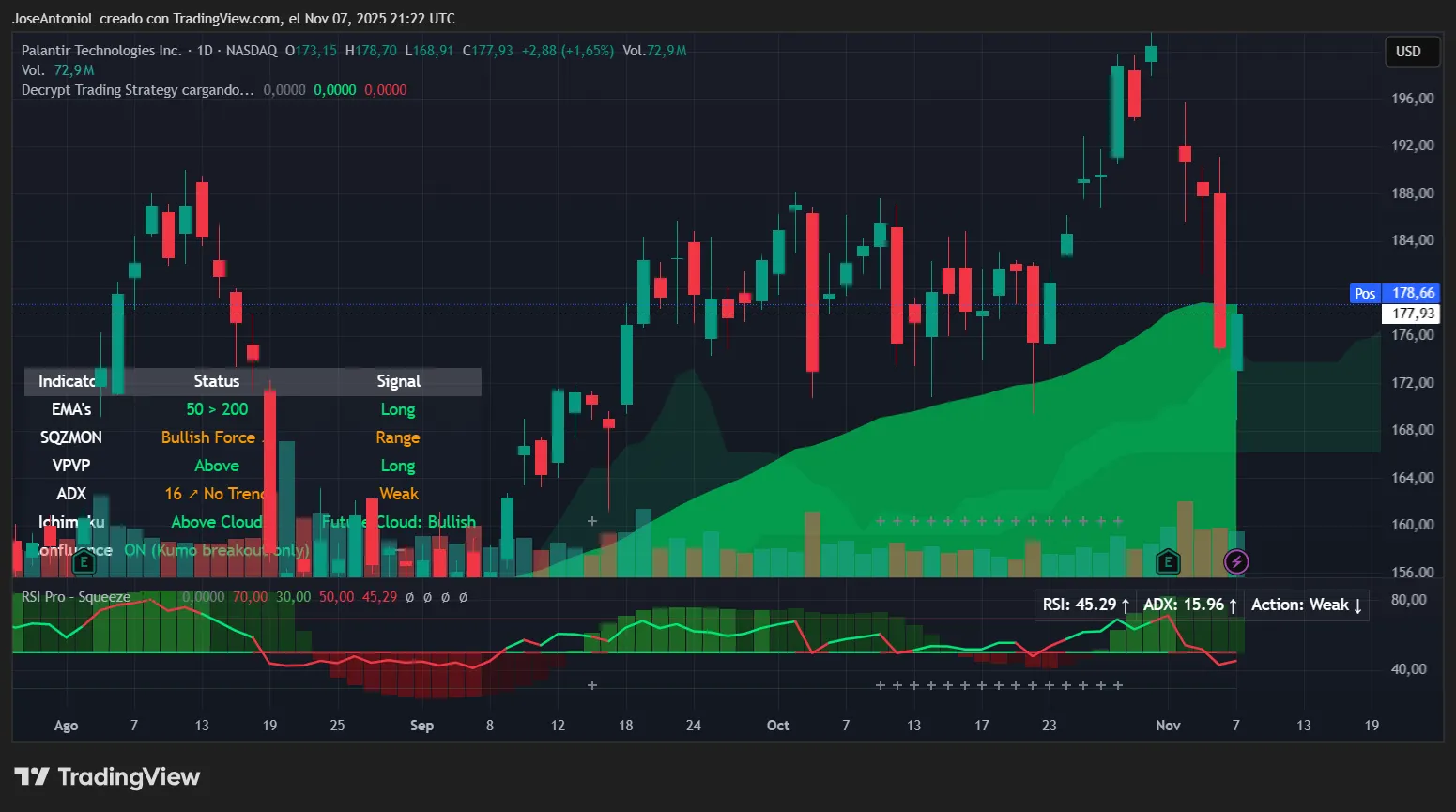
Palantir’s recovery has been slow compared to Nvidia’s. The data analytics company trades with a price-to-earnings ratio of around 254 and a price-to-sales ratio of around 115, making it particularly vulnerable to sustained downward pressure.
Prices are currently trading below the 50-day average, which is a warning sign for those who rely on technical analysis.

Nvidia, which controls about 80% of the AI chip market, saw a more modest and contained sell-off. Shares of the semiconductor giant could have gained better ground today
Unlike Palantir, the stock never fell below its 50-day benchmark, which is a point for analysts who believe its current situation is due to superior fundamentals and technological dominance.
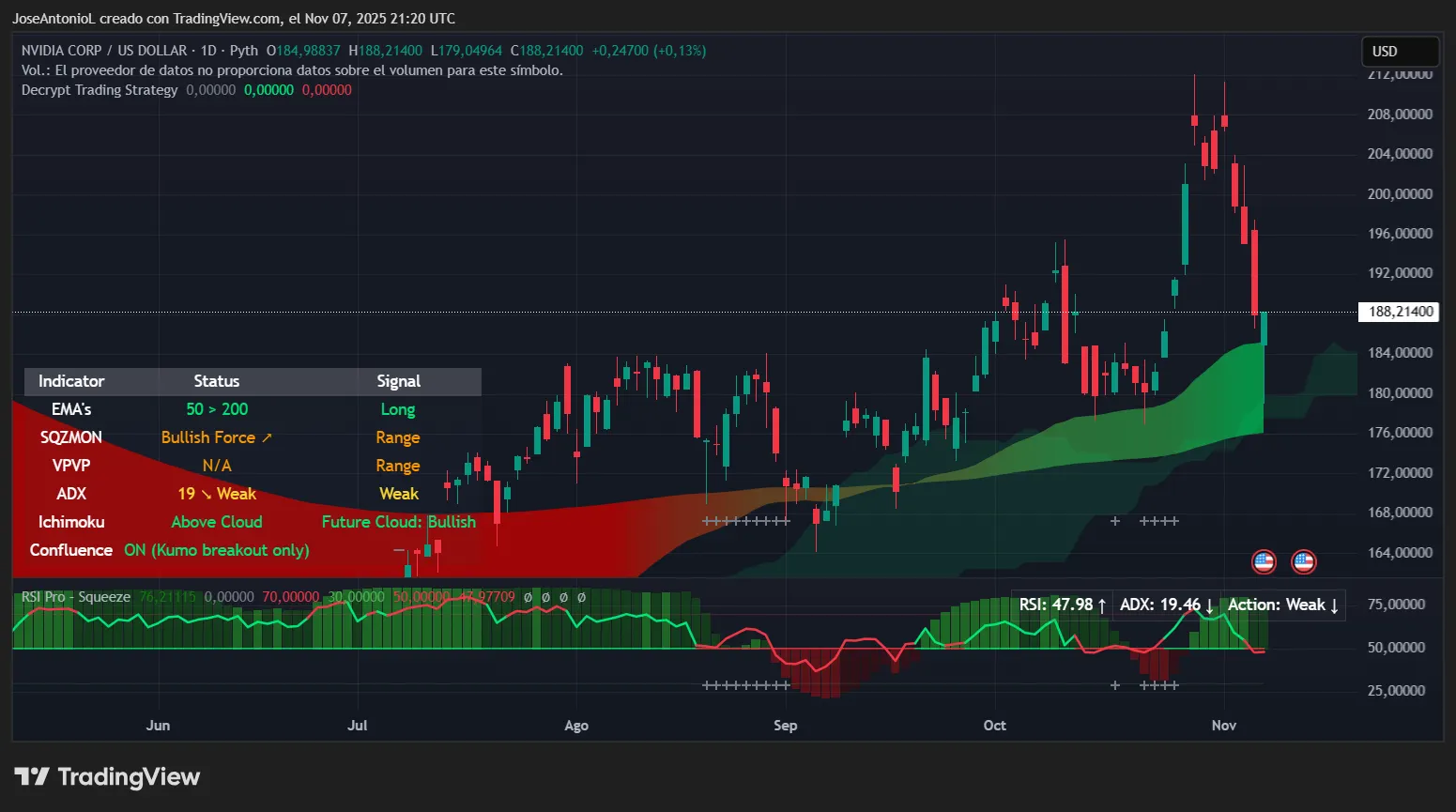
While initial fears may appear to be fading, neither stock has returned to its previous all-time highs. Burry’s revelation injected new volatility into the AI sector, making investors more cautious about buying at extreme valuations.
broader consequences
The short position coincided with warnings from top Wall Street executives. The CEOs of Morgan Stanley and Goldman Sachs publicly warned investors to prepare for possible market corrections of between 10% and 20% in stock markets over the next few years. Deutsche Bank has reportedly started exploring strategies to hedge its exposure to AI-powered investments in data centers.
Burry highlighted the issue of “circular financing” in social media posts, pointing to deals in which major tech companies invest in or lend to partners such as OpenAI, Oracle and CoreWeave, who then commit to buying chips and services primarily from Nvidia. Analysts at Seaport Global Securities described these deals as “emblematic of bubble-like behavior,” and questioned whether the reported growth represents genuine organic demand.
Palantir CEO Alex Karp responded aggressively to Burry’s position, calling it “crazy.” Karp said the short would motivate his company to produce better numbers “to make them poorer.”
In essence, investors are not simply ignoring Burry’s warning. They treated their short as valid information, which, combined with CEO warnings and the extremes of technical valuations, justified short-term risk reduction in the more speculative parts of the AI rally.
Generally intelligent Fact Sheet
A weekly AI journey narrated by Gen, a generative AI model.