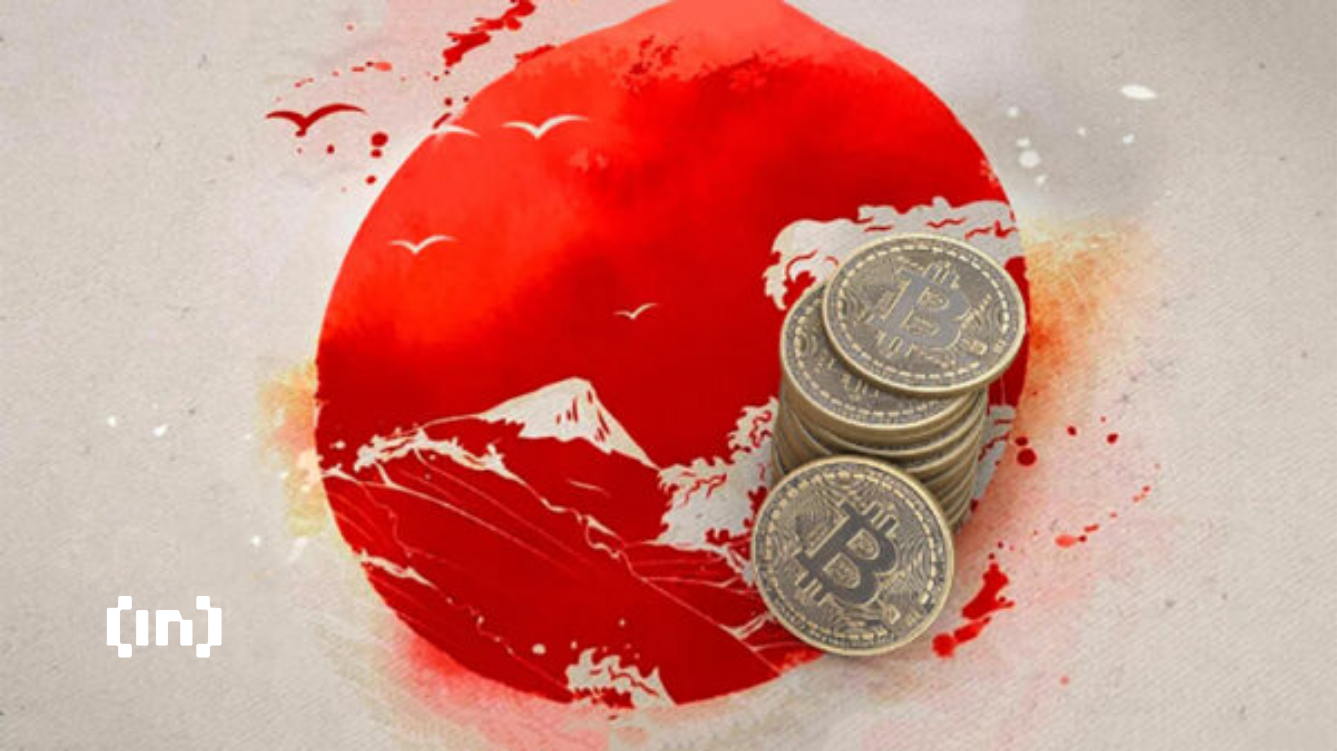
On October 4, 2025, Sanae Takaichi was chosen as the new leader of the Liberal Democratic Party of Japan. It is expected to be nominated as the first prime minister during the extraordinary diet session on October 15.
Known for its pro-process and fiscally proactive approach, Takaichi’s economic policies prioritize the completion of deflation and the promotion of economic expansion. Although he has not made explicit statements about cryptocurrency, his fiscal position and his potential cooperation with opposition parties could influence the tax reforms of cryptocurrencies, which the Japanese digital asset industry has waited for a long time.
Sponsored
The Iron Lady of Japan: Takaichi profile
Takaichi has long admired the late first British minister Margaret Thatcher. Her admiration brings her closer to ambitions linked to the person of the “iron lady”.
Born in 1961, Takaichi graduated from the Faculty of Business Administration of the University of Kobe, trained at the Matsushita Government and Management Institute, and obtained practical experience as a member of the United States Congress. After working as a television station, she was first chosen for the House of Representatives in 1993 and is currently fulfilling her tenth mandate.
As a policy, he has held key positions, including three terms such as Minister of Internal Affairs and Minister of Communications and Economic Security and special appointments in the Cabinet Office. She played a central role during the ABE administration, demonstrating economic and security influence.
After being elected LDP leader, she declared: “I will make everyone work as carriage horses. I will abandon the concept of balance between work and life,” emphasizing their determination.
Sponsored
Contrasting positions with former Prime Minister Ishiba
The Takaichi approach for cryptocurrency and web3 differs from that of former Prime Minister Istiba. In August 2025, Isthiba expressed support for web3 and blockchain technology on Webx2025, the largest web3 conference in the country. However, when asked about the separate taxes for cryptocurrency in December 2024 during a diet session, Istiba showed a cautious posture, which disappointed some interested parties in the industry.
Although Ishiba spoke positively in public events, she remained reluctant to seek concrete tax reforms. Takaichi has not made specific statements about the cryptocurrency policy, but its proactive tax approach and its tax reduction orientation can indirectly support reforms in the sector.
Opposition cooperation and possible tax reforms
A key factor for the possible fiscal reform of cryptocurrencies is Takaichi’s policy towards opposition parties. She has indicated intentions to strengthen cooperation with the Japan Innovation Party and the Democratic Party for people, which have historically supported the fiscal reforms of cryptocurrencies.
The Democratic Party for the People has historically supported the fiscal reforms of cryptocurrency. Its leader, Yuichiro Tamaki, expressed his disappointment with the cautious position of former Prime Minister Istiba. The Japan Innovation Party has also been positive for deregulation and tax reform. If Takaichi strengthens cooperation with these oppositions, the probability of implementing fiscal cryptocurrency reforms as part of a broader tax reduction policy could increase.
On August 29, 2025, the Financial Services Agency (FSA) formally requested a review of cryptocurrency taxes for fiscal year 2016. The proposed measures include: Introduction of separate taxes—Onoine crypto profits with actions of approximately 20%, compared to the current progressive rate of up to 55%, and Allowing the loss transported for up to three years. The review of the “New Capitalism of Capitalism 2025 of the Government explicitly mentions separate taxes. If Takaichi deepens cooperation with opposition parties and prioritizes tax reductions, these reforms could be carried out in the ordinary diet session of 2026.
Trump Visit to Japan: Implications for cryptographic policy
One of Takaichi’s first important foreign policy challenges will be the scheduled visit of US President Donald Trump at the end of October. Trump is expected to visit Japan for three days from October 27. During this visit, he will celebrate his first summit with Takaichi.
Sponsored
Since he assumed the position in January 2025, Trump has declared his intention to make the United States a global cryptography center, implementing policies such as the construction of Bitcoin strategic reserves and establishing an advisory committee of cryptocurrency. The perspectives in favor of the shared growth of both leaders can allow the coordination of economic policy during the meeting. However, Takaichi conservative values can affect the degree to which Trump’s cryptographic initiatives align. Any discussion about bitcoin or cryptographic deregulation will be an essential indicator for the Japan cryptocurrency industry.
Uncertainties and potential impacts
There are significant uncertainties with respect to Takaichi cryptocurrency policies. Its main approach can remain in traditional industry and national security policies. Cabinet quotes are a key factor. Katsunobu Kato’s finance minister’s retention could maintain the continuity of politics. However, Kato had a limited commitment in cryptography under ishiba, which could limit drastic changes. Digital Minister Masaki Taira has also not articulated specific positions in cryptocurrencies or web3.
Takaichi’s proactive fiscal policy could have possible negative impacts. Aggressive government spending could accelerate inflation, which leads to the Bank of Japan to harden monetary policy, which could be a wind against risk assets, including cryptocurrencies. Its conservative orientation could lead to more strict measures against money laundering and terrorist financing. In addition, their interest in semiconductors and traditional manufacturing can shave cryptocurrencies and web3.
Takaichi’s choice as LDP leader represents a turning point for the cryptocurrency industry in Japan. Cooperation strengthened with opposition parties and their tax reduction position can create opportunities for long -term reforms, such as separate taxes and losses. However, its limited direct commitment to cryptocurrency, potential regulatory tightening and fiscal policy risks also create uncertainties. The appointments of the cabinet, the coordination of the opposition and the result of the Trump summit at the end of October will be critical factors that influence the future of the industry.